
How to Prepare for Exams

Don't leave it until the last minute. While some students do seem to thrive on last-minute cramming, it's widely accepted that (for most of us) this is not the best way to approach an exam. To help sort out your time management, set up a timetable for your study. Write down how many exams you have and the days on which you have to sit them. Then organize your study accordingly. You may want to give some exams more study time than others, so find a balance that you feel comfortable with.
Organize your study space-

Make sure you have enough space to spread your
textbooks and notes out. Have you got enough light?
Is your chair comfortable?
Get rid of all distractions, and make sure you feel as comfortable and able to focus as possible.
Use flow charts and diagrams-

Visual aids can be helpful when revising. At the start of a topic, challenge yourself to write down everything you already know about a topic - and then highlight the important points.

Practice on old exams question paper-
One of the most effective ways to prepare for exams is to practice taking past versions. This helps you get used to the format of the questions, and - if you time yourself - can also be good practice for making sure you spend the right amount of time on each section.
Take regular breaks-
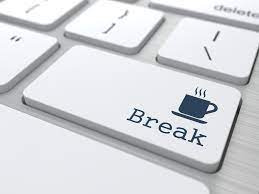
Studies have shown that for long-term retention of knowledge, taking regular breaks really helps.
Stay Hydrated-

Remember that being well hydrated is essential for your brain to work at its best. Make sure you keep drinking plenty of water throughout your revision.


Comments